
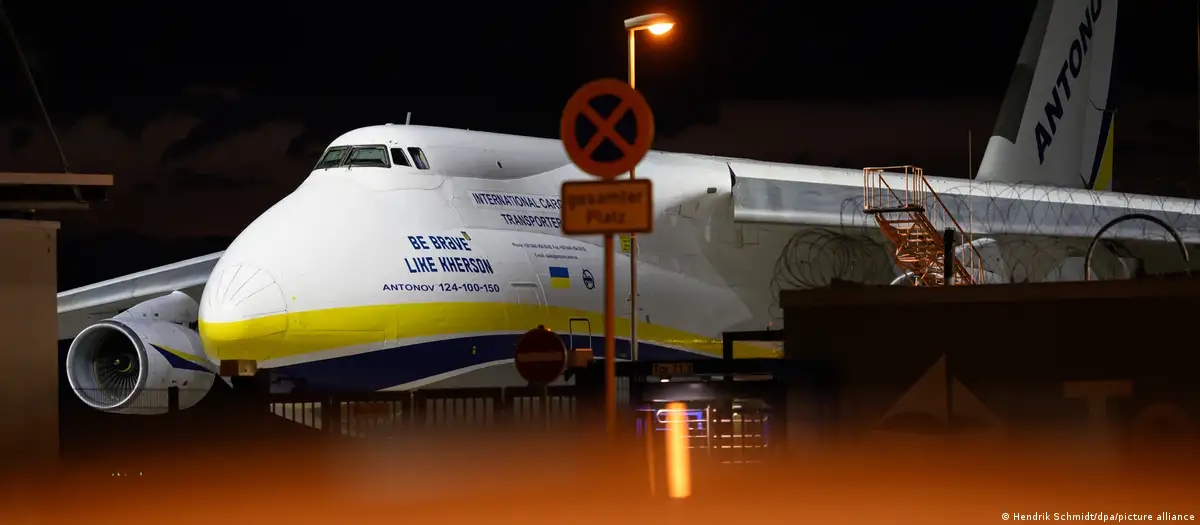
Fortunately, nothing bad happened this time around. Had the attack succeeded, however, who knows what the consequences might have been: On the evening of August 4, a drone outfitted with explosives and a detonation device was discovered near Ukrainian cargo planes in the security area of Leipzig/Halle Airport. The airport serves as a hub for military aid to Ukraine.
The German government hesitated for a long time before publicly holding Russia responsible. But now it has announced its findings.
On Tuesday, Federal Interior Minister Alexander Dobrindt told reporters that the methods used in the attempted attack were consistent with those seen in other Russian hybrid operations, citing the drone’s construction, various components, explosives and detonation technology.
He noted that the attack had been planned with a “high degree of technical expertise and considerable organizational effort.”
In late August, Chancellor Friedrich Merz said of the incident: “The federal government will make the perpetrators of hybrid attacks pay a price. They will pay for this.”
At the time, he did not mention Russia by name. And even now, Merz himself has not commented on the matter.
However, the price Russia will have to pay is relatively small. The Russian House cultural institute in Berlin is being shut down amid suspicions that it is serving as a cover for espionage. The Russian Consulate General in Bonn is also being closed. What’s more, entry requirements for Russian citizens are set to be tightened, and Germany also plans to take tougher action against the Russian “shadow fleet” — the network of ships accused of circumventing fuel sanctions. Exactly how and when remains unclear, however.
Leave a Reply